
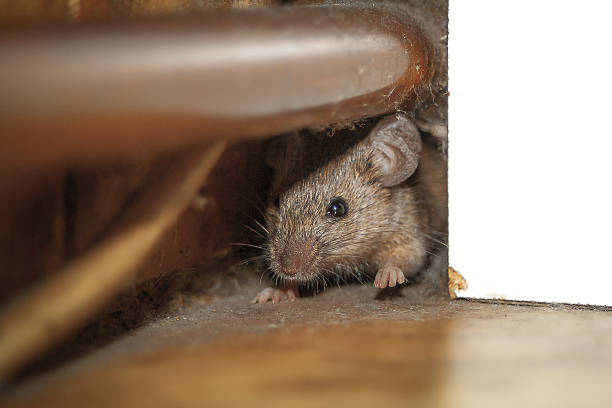
Rat Control In Ghana
Nikao Pest Control, based in Accra, Ghana, specializes in rodent control with prompt same-day service. Our team effectively traps and eliminates all rodents while also offering home and commercial sealing/exclusion services to deter their return. We guarantee the quality of our work and extend a renewable yearly warranty for ongoing rodent control. Contact us today for a complimentary quote or to arrange an inspection.
Rats and mice belong to the rodent family and pose a significant nuisance to households. They have adapted to most human environments. They live in granaries, in fields, in city sewers, on ocean-going ships, on roofs, in attics, in basements, in street trees, on top of 30-story buildings, and inside subway tunnels. Adept athletes, rats can leap 3 feet straight up and 4 feet horizontally. They can scramble up the outside of a pipe 3 inches in diameter, and climb inside pipes 1 1/2 to 4 inches in diameter. They can walk between buildings on telephone or power lines, and scramble on board a ship on its mooring line. Rats can swim a half-mile of open water, tread water for up to three days, swim against a strong current in a sewer line, and dive through a sewer trap to come up inside a toilet. They can fall more than 50 feet and survive.
Rats gnaw constantly. Their teeth are extremely hard. They commonly chew through building materials such as cinder block, aluminum siding, sun-dried adobe brick, wall board, wooden cabinets, lead sheathing, and plastic or lead pipes. After gnawing a hole, an adult rat can compress its body and squeeze through an opening only ½ inch high. In most instances, rats are very wary. Hundreds may be nesting in a city block—in underground burrows, in sewers, on roofs, inside buildings with few people in the area realizing it. Populations are dynamic: rats moving in, rats moving out, rats giving birth, and rats dying. Within a population, some rats will be easy to control and some difficult. Successful long-term rat control is not simple. The key is to control rat populations, not individual rats.
Life Cycle
A mature female rat can give birth to about 20 young in a year (four to six at a time), Life Cycle. A mature female rat can give birth to about 20 young in a year (four to six at a time), Rats are aggressive, and social conflicts are most common at feeding sites, prime resting areas, and territorial boundaries.
Rats have poor vision. They are nearly color-blind, and they react to shapes and movement rather than identifying objects by sight. The limit of their vision is 30 to 45 feet. Their eyes are adapted to dim light.
Other senses, however, compensate for poor vision. They use their sense of smell to locate food, follow pathways, tell whether another rat is friend or foe, and identify new objects in their territory. They use long whiskers and guard hairs to “touch” their way through dark burrows, pipe chases, wall voids, and other runways. Their ears detect faint sounds that signal danger. Rats can taste certain chemicals at a parts-per-million concentration. This explains why rats often reject baits or avoid traps
that have been contaminated with insecticides. Finally, rats have an excellent sense of balance that allows them to walk on wires and always land on their feet in a fall.
Fear of New Objects (Neophobia)
Rats are wary of anything new that appears in their territory. A bait station, a trap, a block of wood will be avoided for a few days until the rats become familiar with the new object; even then, they approach cautiously. This fear of new objects can make baiting and trapping difficult. Rats will avoid poison bait when it is first placed. Later, they may nibble warily. If the poison bait makes them ill but doesn’t kill them, they will avoid similar baits or stations in the future.
Range
Rats usually begin foraging just after dark. Most of their food gathering occurs between dusk and midnight, but short bursts of restlessness and activity can occur anytime, day or night. Rats commonly travel 100 to 150 feet from their nest looking for food and water and patrolling their territory. It is not unusual for a colony of rats that nests outdoors to forage inside a building 100 feet away.
Food and Water
Rats need about 1 ounce of food daily. Norway rats prefer protein-based foods such as meat, fish, insects, pet food, nuts, and grain. Household garbage is ideal food for Norway rats. However, they will feed on non-preferred food if nothing else is available. Rats often cache or hoard food in hidden areas. This food may or may not be eaten when other food supplies run short. Hoarding is important for two reasons. First, rats may be moving toxic bait into a location where the label does not permit it to be. Second, rats may be hoarding poison bait while feeding on their regular food. Thus, a baiting program becomes ineffective. Rats need water every day. The amount varies, depending on the moisture content of their food, but is usually around 1/2 to 1 fluid ounce. Rats prefer to nest where water is easily available.
The three main species of Rodents
- House Mouse
- Roof rat
- Norway rat
- Understanding Rodent Behavior and Habits:
Rodents are a diverse group of mammals belonging to the order Rodentia, which includes rats, mice, squirrels, beavers, and many others. Understanding their behavior and habits is crucial for effective rodent control measures. Here are some key points:
Nocturnal Activity: Most rodents are nocturnal, meaning they are active primarily during the night. This behavior allows them to avoid predators and search for food without much disturbance.
Nesting and Reproduction: Rodents are prolific breeders and can reproduce rapidly under favorable conditions. They often build nests in secluded areas such as attics, basements, wall voids, and outdoor burrows. These nests provide shelter and protection for their young.
Dietary Preferences: Rodents are opportunistic feeders and can consume a wide variety of foods. They are attracted to easily accessible food sources such as grains, seeds, fruits, vegetables, garbage, and pet food.
Chewing and Gnawing: Rodents have strong, constantly growing incisor teeth that they must gnaw on to keep at a manageable length. As a result, they may chew on various objects, including electrical wires, wood, plastic, and insulation, causing damage to property and posing fire hazards.
Exploratory Nature: Rodents are curious and exploratory creatures, often venturing into new territories in search of food, water, and shelter. This behavior makes it challenging to prevent their entry into homes and buildings.
- Importance of Rodent Control for Health and Safety:
Rodent control is essential for maintaining public health and safety due to several reasons:
- Disease Transmission:
Rats are responsible for the spread of many diseases. Sometimes they transmit the disease directly, by contaminating food with their urine or faeces. Below are some of the diseases associated with rats. These diseases often share similar symptoms, and medical professionals must perform the proper diagnoses.
Examples of diseases spread by rats:
Leptospirosis: This bacterial infection is spread through rat urine and can cause symptoms ranging from mild flu-like illness to severe complications such as liver and kidney damage.
Lassa fever: Although more prevalent in West Africa, including regions of Ghana, Lassa fever is transmitted to humans through contact with rat urine or feces, or by consuming food contaminated with rat droppings.
Rat-bite fever: This bacterial infection can be transmitted to humans through bites, scratches, or contact with rat saliva, urine, or faeces.
Rat-borne Typhus: Fleas associated with rats can transmit typhus bacteria, leading to symptoms such as fever, headache, and rash.
Allergies and Asthma: Rodent allergens, primarily found in their dander, urine, and saliva, can trigger allergic reactions and exacerbate asthma symptoms in susceptible individuals.
Structural Damage: Rodents can cause significant damage to buildings and infrastructure by gnawing on wires, insulation, wood, and other materials. This damage not only compromises the structural integrity of the property but also poses fire hazards and increases repair costs.
Contamination of Food and Water: Rodents contaminate food supplies and water sources with their droppings, urine, and hair, leading to foodborne illnesses and waterborne diseases in humans.
Economic Impact: Rodent infestations can result in financial losses for homeowners, businesses, and agricultural operations due to property damage, reduced product quality, and decreased productivity.
Psychological Impact: The presence of rodents in homes and workplaces can cause significant stress, anxiety, and fear among occupants, affecting their overall well-being and quality of life.
Certainly! Here’s an elaboration on the signs of rodent infestation:
- **Droppings**: Rodent droppings are one of the most common signs of an infestation. They are typically small, dark pellets that resemble grains of rice. Finding these droppings in areas like cupboards, drawers, along baseboards, or near food sources indicates the presence of rodents.
- **Gnaw Marks**: Rodents have a constant need to gnaw on objects to keep their teeth from growing too long. Therefore, gnaw marks on wood, plastic, wires, or even food packaging can indicate a rodent problem. Fresh gnaw marks may appear lighter in color and become darker with time.
- **Nesting Materials**: Rodents often use various materials to create nests for breeding and shelter. These materials can include shredded paper, fabric, insulation, or plant matter. Discovering nests in hidden or secluded areas like attics, basements, or behind appliances suggests an active rodent population.
- **Strange Noises**: Rodents are nocturnal creatures, so you might hear scratching, squeaking, or scurrying noises during the night when they are most active. These sounds often come from walls, ceilings, or within crawl spaces. If you notice persistent noises that resemble these, it’s likely that rodents are present.
Why Do I Have Rodent Infestation?
The sight of rodents in your facility might be as a result of some activities that make them feel comfortable . It’s important to let you know that rodent problems can happen for a few reasons. Rodents are attracted to places with easy access to food, water, and shelter, so things like leaving food out or having leaky pipes can bring them in. They can also get in through small cracks and holes in your home. Keeping things clean, fixing leaks, sealing up entry points, and tidying up outside can help keep rodents away from your property.”
What Do I Do If I Find Rodents in My House or Business?
- Identify the type of rodent: Determine whether you are dealing with mice, rats, or another type of rodent. This can help you develop an effective control strategy.
- Assess the extent of the infestation: Look for signs of rodent activity, such as droppings, gnaw marks, nests, or sightings of live rodents. Determine where they are entering your property and where they are nesting.
- Seal entry points: Rodents can enter buildings through small openings and cracks. Inspect your property for potential entry points and seal them with caulk, wire mesh, or other appropriate materials.
- Remove food sources: Rodents are attracted to food sources such as crumbs, garbage, pet food, and stored food items. Keep food stored in sealed containers, clean up spills and crumbs promptly, and secure garbage cans with tight-fitting lids.
- Set traps: Use snap traps, glue traps, or live traps to capture rodents. Place traps in areas where you have observed rodent activity, such as along walls, near entry points, or in dark corners. Check traps regularly and dispose of captured rodents properly.
- Consider using rodenticides: If the infestation is severe or trapping alone is not effective, you may need to use rodenticides. Follow the instructions carefully and use caution when handling and placing rodenticides to minimize the risk to humans, pets, and non-target animals.
- Monitor and maintain: Continuously monitor your property for signs of rodent activity and take preventive measures to keep them out. Regularly inspect for new entry points and address any issues promptly.
- Seek professional help if needed: If you are unable to control the rodent infestation on your own, consider hiring a professional pest control service. They can assess the situation, develop a customized treatment plan, and implement effective control measures.